The Complete Beginner's Guide to Sound Healing with Tuning Forks

Have you ever wondered how a simple metal fork can produce healing vibrations that resonate through your entire body? Tuning fork healing harnesses the power of specific frequencies to promote relaxation, reduce stress, and support your body's natural healing processes.
Tuning fork healing uses precisely calibrated metal instruments that vibrate at specific frequencies to create therapeutic sound waves. These vibrations work through resonance and entrainment, helping to restore balance to your body's energy systems and promote deep relaxation.
What Is Tuning Fork Healing and How Does It Work?
Tuning fork healing is a form of sound therapy that uses calibrated metal instruments to create pure tones at specific frequencies. When struck, these forks produce consistent vibrations that can influence your body's energy field and nervous system.
The practice is based on two key scientific principles: resonance and entrainment. Resonance occurs when the fork's vibration matches and amplifies similar frequencies in your body, while entrainment helps synchronize your brainwaves and bodily rhythms to the healing frequency.
Practitioners typically use tuning forks by striking them against an activator, then placing them near or on specific points of the body. The vibrations travel through your tissues, bones, and energy centers, creating a cascade of therapeutic effects.
The Science Behind Sound Healing with Tuning Forks
Research shows that specific frequencies can measurably affect brain activity and physiological responses. Studies using EEG monitoring demonstrate that certain tones can shift brainwaves from active beta states into relaxed alpha and theta patterns.
The 528 Hz frequency, often called the "love frequency," has been studied for its potential DNA repair properties. Meanwhile, the 40 Hz frequency shows promise in research related to cognitive function and memory consolidation.
Your body is approximately 70% water, making it an excellent conductor of sound vibrations. When tuning fork frequencies enter your system, they create ripple effects throughout your cellular structure, potentially influencing everything from muscle tension to emotional states.
Weighted vs Unweighted Tuning Forks: Which Type Should You Choose?
Understanding the difference between weighted and unweighted tuning forks is crucial for effective practice. Each type serves distinct therapeutic purposes and creates different sensory experiences.
Weighted forks excel at creating tangible vibrations you can feel when placed on your body. The added weight creates longer-lasting oscillations that penetrate deeply into tissues and bones.
Unweighted forks produce clearer, more audible tones perfect for meditation and chakra balancing. Their pure sound quality makes them ideal for creating sacred spaces and sound baths.
Essential Tuning Fork Frequencies for Beginners
Starting your tuning fork healing practice requires understanding which frequencies offer the most therapeutic benefits. Here are the most important frequencies for newcomers to explore.
Solfeggio Frequencies
The ancient Solfeggio scale contains six primary frequencies, each associated with specific healing properties. The 396 Hz frequency helps release fear and guilt, while 417 Hz supports positive change and transformation.
The powerful 528 Hz tone promotes love and DNA repair, and 639 Hz enhances relationships and communication. Higher frequencies like 741 Hz aid in problem-solving, while 852 Hz awakens intuition and spiritual awareness.
Chakra Frequencies
Each of your seven main chakras resonates with specific frequencies that can help balance and align these energy centers. The root chakra responds to 194.18 Hz, providing grounding and stability sensations.
Your heart chakra vibrates at 341.3 Hz, promoting love and emotional healing. The crown chakra frequency of 963 Hz connects you to higher consciousness and spiritual awareness.
How to Use Tuning Forks: Step-by-Step Techniques
Proper technique ensures you receive maximum benefit from your tuning fork healing sessions. Always begin by creating a quiet, comfortable environment free from distractions.
Strike your tuning fork firmly against a rubber activator or hockey puck – never use hard surfaces like wood or metal that can damage the fork. Listen to the pure tone for a moment to center yourself before proceeding.
Basic Body Placement Techniques
For weighted forks, place the stem (handle) directly on specific body points like acupuncture meridians or areas of tension. The vibrations will travel through your bones and tissues, creating therapeutic resonance.
Hold unweighted forks 6-12 inches from your body or chakra points, allowing the sound waves to interact with your energy field. Move the fork slowly around the treatment area to find spots where the vibration feels most beneficial.
Always work with intention and mindfulness. Breathe deeply and visualize the healing frequencies harmonizing your body's natural rhythms and promoting balance.
Creating Your First Tuning Fork Healing Session
Your inaugural session should last 15-20 minutes and focus on one or two specific areas rather than attempting full-body treatment. Begin with grounding frequencies like 396 Hz to establish a solid foundation.
Start at your feet and work upward, spending 2-3 minutes on each area. Pay attention to how different frequencies feel in various parts of your body – some areas may be more responsive than others.
End your session with a heart chakra frequency (341.3 Hz) to integrate the healing and promote emotional balance. Rest quietly for 5-10 minutes afterward to allow the vibrations to settle throughout your system.
Safety Guidelines and Best Practices
Tuning fork healing is generally safe for most people, but certain precautions ensure optimal results. Never use tuning forks directly on broken skin, recent injuries, or areas of acute inflammation.
Pregnant women should avoid frequencies below 200 Hz and always consult healthcare providers before beginning sound therapy. People with pacemakers or metal implants should use unweighted forks held away from the body rather than direct contact methods.
Keep your tuning forks clean by wiping them with alcohol after each use. Store them in protective cases to maintain their precise calibration and prevent damage from impacts or temperature changes.
Remember that sound healing complements but never replaces conventional medical treatment. While many people report significant benefits, always work with qualified healthcare providers for serious health concerns.
Starting your tuning fork healing practice opens doors to a gentle yet powerful form of self-care that works with your body's natural healing wisdom. Trust your intuition, be patient with the process, and allow these ancient frequencies to guide you toward greater balance and well-being.
Frequently Asked Questions
Ashley
Content Writer
Related Articles
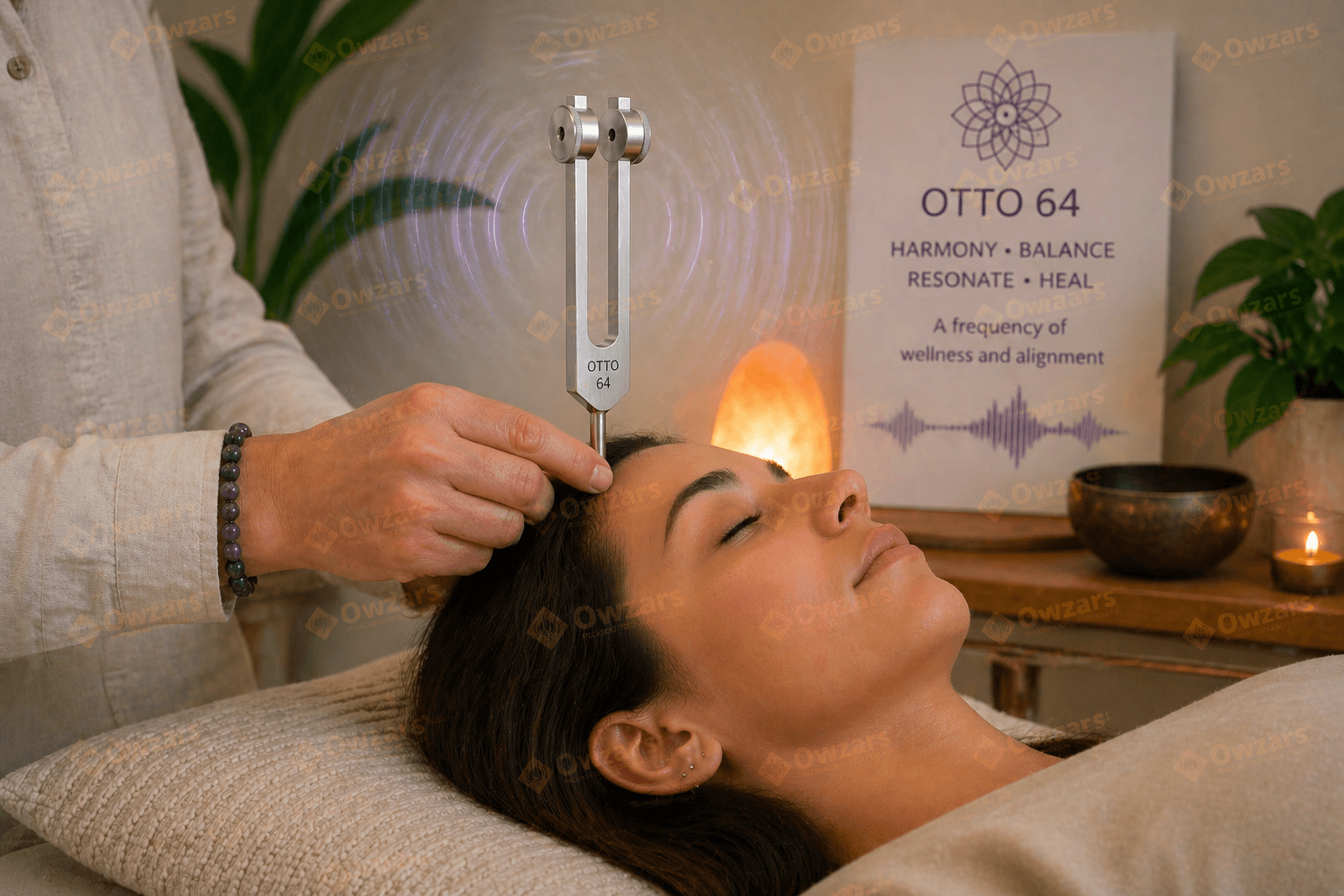
64 Hz Tuning Fork
Discover how 64 Hz tuning forks are used in sound therapy and wellness practices for grounding and relaxation support.
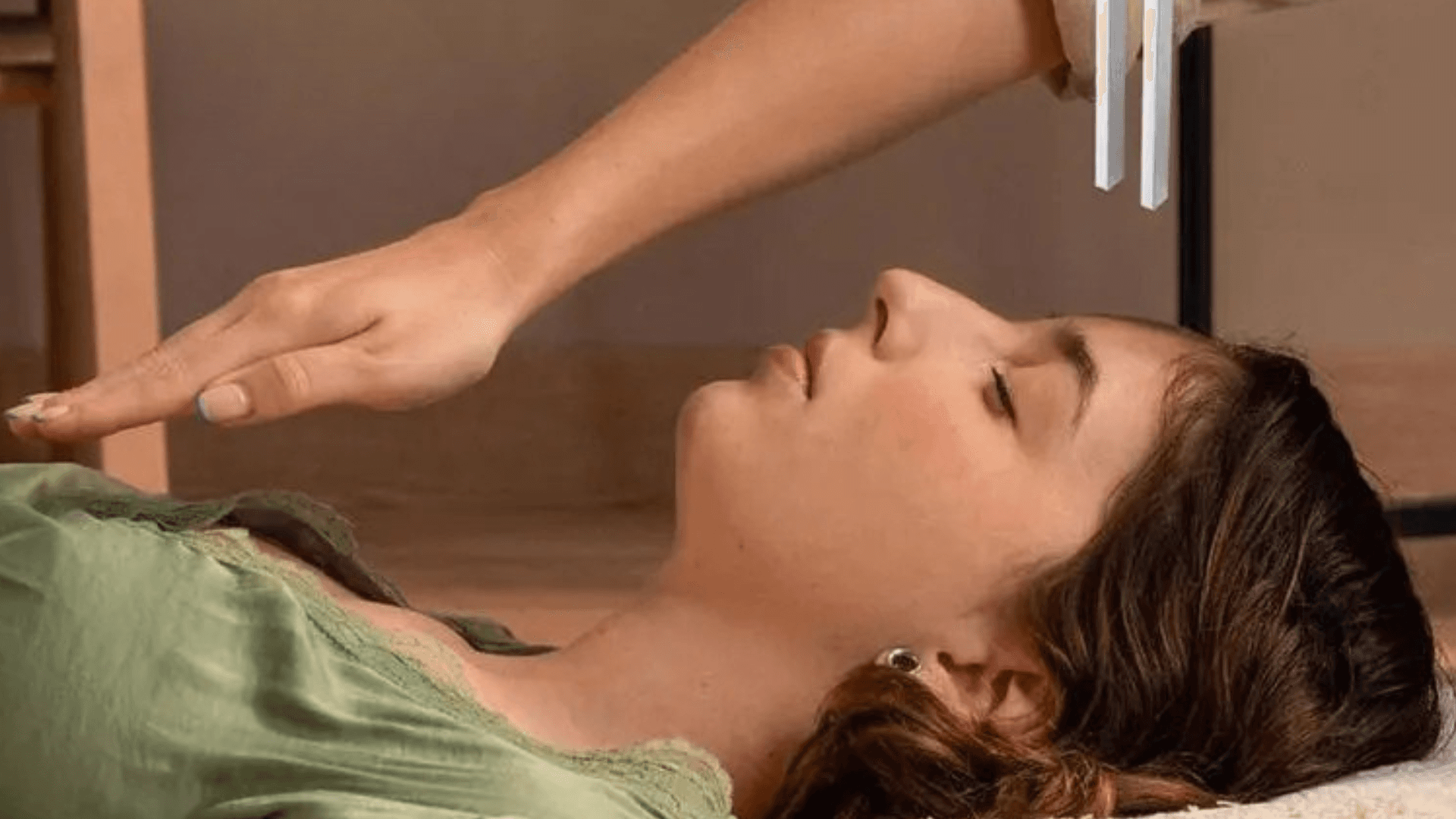
Healing Tuning Fork Set Guide: How 128Hz, 256Hz, and 512Hz Support Sound Healing
Discover how 128Hz, 256Hz, and 512Hz tuning fork frequencies work together in sound therapy practices for grounding, balance, and mental clarity work.