Healing Tuning Fork Set Guide: How 128Hz, 256Hz, and 512Hz Support Sound Healing
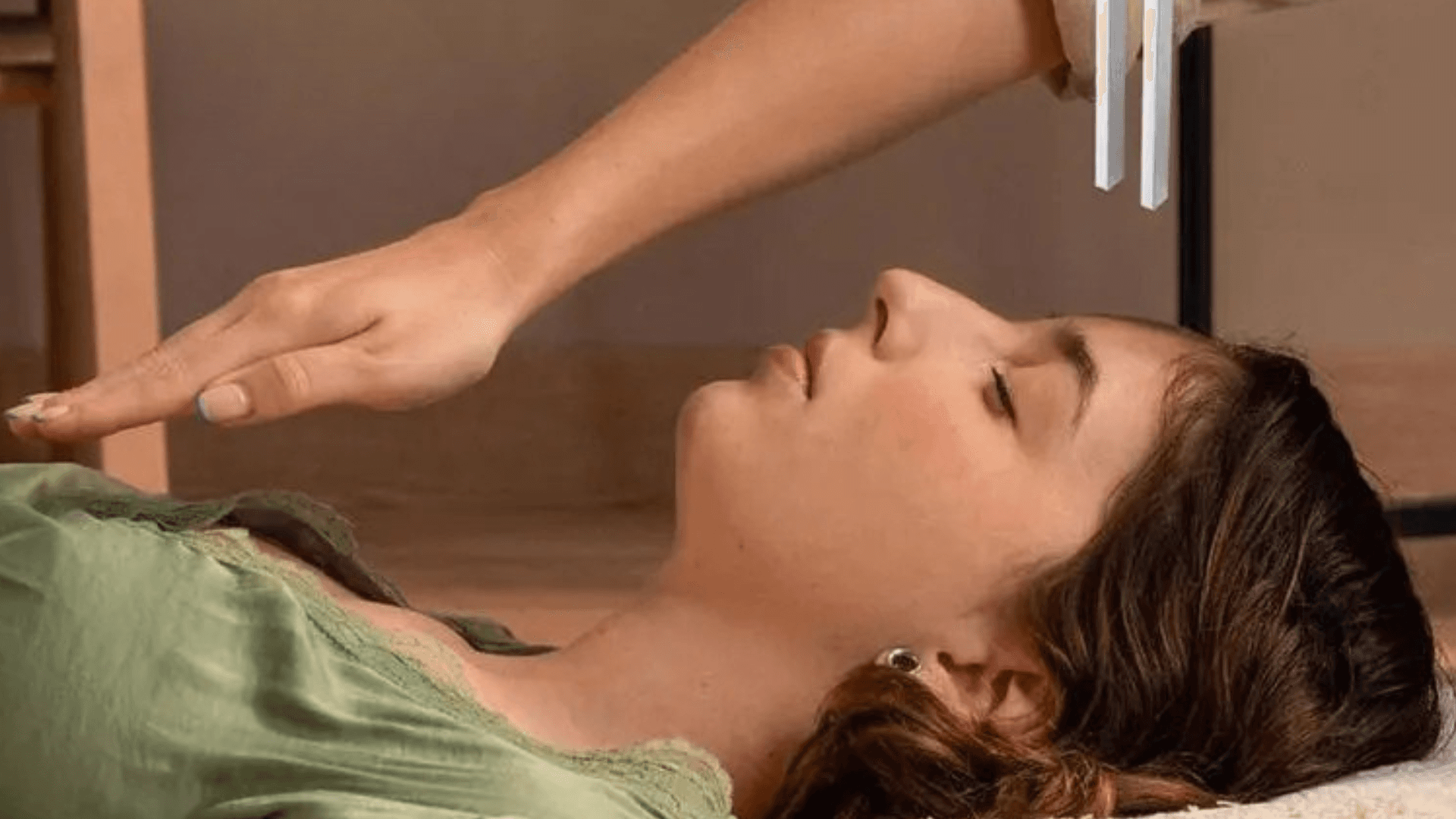
Sound healing practitioners often turn to specific tuning fork healing frequencies to create focused wellness experiences. The combination of 128Hz, 256Hz, and 512Hz represents a harmonically-related set that many practitioners find versatile for various sound therapy applications.
Tuning fork healing frequencies of 128Hz, 256Hz, and 512Hz form a harmonic series where each frequency doubles the previous one. These frequencies are commonly used in sound therapy for grounding, balance, and clarity work, with practitioners reporting benefits for relaxation and meditation practices.
Understanding Tuning Fork Healing Frequencies
Each frequency in the 128Hz-512Hz range offers distinct characteristics that practitioners value for different purposes. The mathematical relationship between these frequencies creates natural harmonic resonance when used together.
128Hz serves as the foundational frequency in this set. Many sound therapy practitioners use this lower frequency for grounding work and deep relaxation practices. The vibration is felt as much as heard, making it popular for physical awareness exercises.
256Hz doubles the 128Hz frequency, creating the first harmonic in this series. Practitioners often describe this frequency as balancing and centering. Its mid-range tone is commonly used for meditation and breathwork sessions.
512Hz completes the octave series, offering a clear, bright tone. This higher frequency is traditionally used for mental clarity work and alertness practices. Many practitioners find it helpful for focus-oriented sessions.
How Sound Therapy Practitioners Use These Healing Frequencies
The harmonic relationship between 128Hz, 256Hz, and 512Hz allows practitioners to layer these frequencies in various combinations. Some begin sessions with the grounding 128Hz tone, then progress upward through the series.
Sequential use involves striking each fork in ascending or descending order. This technique is commonly reported to create a sense of movement and progression in sound therapy sessions.
Simultaneous use involves striking multiple forks at once to create harmonic intervals. The mathematical relationships between these frequencies produce consonant harmonies that many users find pleasing and calming.
Individual frequency work focuses on one tone at a time for extended periods. This approach allows deep exploration of each frequency's unique qualities and how users respond to specific tones.
Choosing Quality Tuning Fork Sets for Healing Frequencies
Professional-grade tuning fork sets ensure consistent pitch accuracy and sustained vibration. Aluminum alloy construction provides lightweight handling with excellent sustain characteristics, making these tools practical for extended practice sessions.
The Tuning Fork Set (128Hz-512Hz) ($29.99) offers an accessible entry point into harmonic frequency work. This complete set includes all three frequencies with striker and storage case, making it convenient for both beginners and traveling practitioners.
For practitioners seeking premium construction, the Gardiner Brown Tuning Fork Set With Brushed Steel ($55.99) provides surgical steel construction with classic English craftsmanship. The brushed steel finish offers durability and professional appearance.
Comparing 128Hz, 256Hz, and 512Hz in Sound Therapy Practice
FrequencyHarmonic PositionCommon ApplicationsReported Qualities128HzFundamentalGrounding, deep relaxationPhysical awareness, foundational256HzFirst octaveBalance, meditationCentering, mid-range clarity512HzSecond octaveMental clarity, alertnessBright, focused energy
Practical Techniques with Tuning Fork Healing Frequencies
Proper striking technique ensures optimal sound production from tuning forks. Hold the fork by the stem and strike against a rubber activator or soft surface to avoid damaging the tines.
Placement techniques vary among practitioners. Some hold forks near the ears for auditory focus, while others place them on or near the body for vibrational awareness. The aluminum alloy construction allows forks to be felt through gentle contact.
Timing considerations affect the flow of sessions. Allow each tone to sustain naturally rather than cutting it short. The sustain time of quality aluminum alloy forks provides ample opportunity for full tonal expression.
Creating Harmonic Progressions
Ascending progressions (128Hz → 256Hz → 512Hz) are traditionally used for energizing and uplifting practices. Many practitioners report this sequence feels naturally rising and expanding.
Descending progressions (512Hz → 256Hz → 128Hz) are commonly used for calming and grounding work. This sequence is often described as settling and centering.
Circular patterns involve returning to the starting frequency after completing the series, creating a sense of completion and wholeness in the practice.
Building Your Tuning Fork Healing Frequency Practice
Consistent practice helps develop sensitivity to frequency differences and harmonic relationships. Start with short sessions focusing on one frequency at a time before combining multiple tones.
Environmental considerations affect sound quality and perception. Quiet spaces allow subtle tonal qualities to emerge, while outdoor settings may require closer positioning for optimal hearing.
Recording your experiences helps track which frequencies and techniques you find most beneficial for different purposes. Many practitioners develop personal preferences for specific sequences and timing.
Maintaining Your Frequency Set
Proper storage protects tuning forks from damage and maintains tonal consistency. Avoid dropping or striking forks against hard surfaces, which can affect pitch accuracy.
Regular cleaning with soft cloths keeps aluminum alloy surfaces free from buildup that might dampen vibration. Store forks in protective cases to prevent scratches and dings.
Owzars tuning forks are intended for relaxation and personal wellness use and are not medical devices. The aluminum alloy construction provides reliable tonal consistency and vibrational performance for regular practice sessions.
Advanced Applications of These Tuning Fork Healing Frequencies
Experienced practitioners often develop signature sequences using the 128Hz-512Hz set. Some incorporate breathing patterns timed to the natural sustain of each frequency.
Group sessions benefit from the clear harmonic relationships in this frequency set. Multiple practitioners can work with different frequencies simultaneously, creating rich harmonic environments.
Integration with other wellness practices enhances the versatility of these frequencies. Yoga, meditation, and breathing exercises can incorporate specific tones for different phases of practice.
The mathematical precision of the octave relationships (each frequency exactly doubling the previous) creates predictable harmonic intervals that support structured practice development.
Whether you're beginning your exploration of sound therapy or expanding an existing practice, these three frequencies provide a solid foundation for understanding how harmonic relationships support wellness-focused sound work. Their versatility and natural mathematical relationships make them valuable tools for personal development and relaxation practices.
Sound therapy practices are intended for relaxation and personal wellness. They are not a substitute for professional medical advice, diagnosis, or treatment.
Frequently Asked Questions
Biah
Content Writer
Related Articles
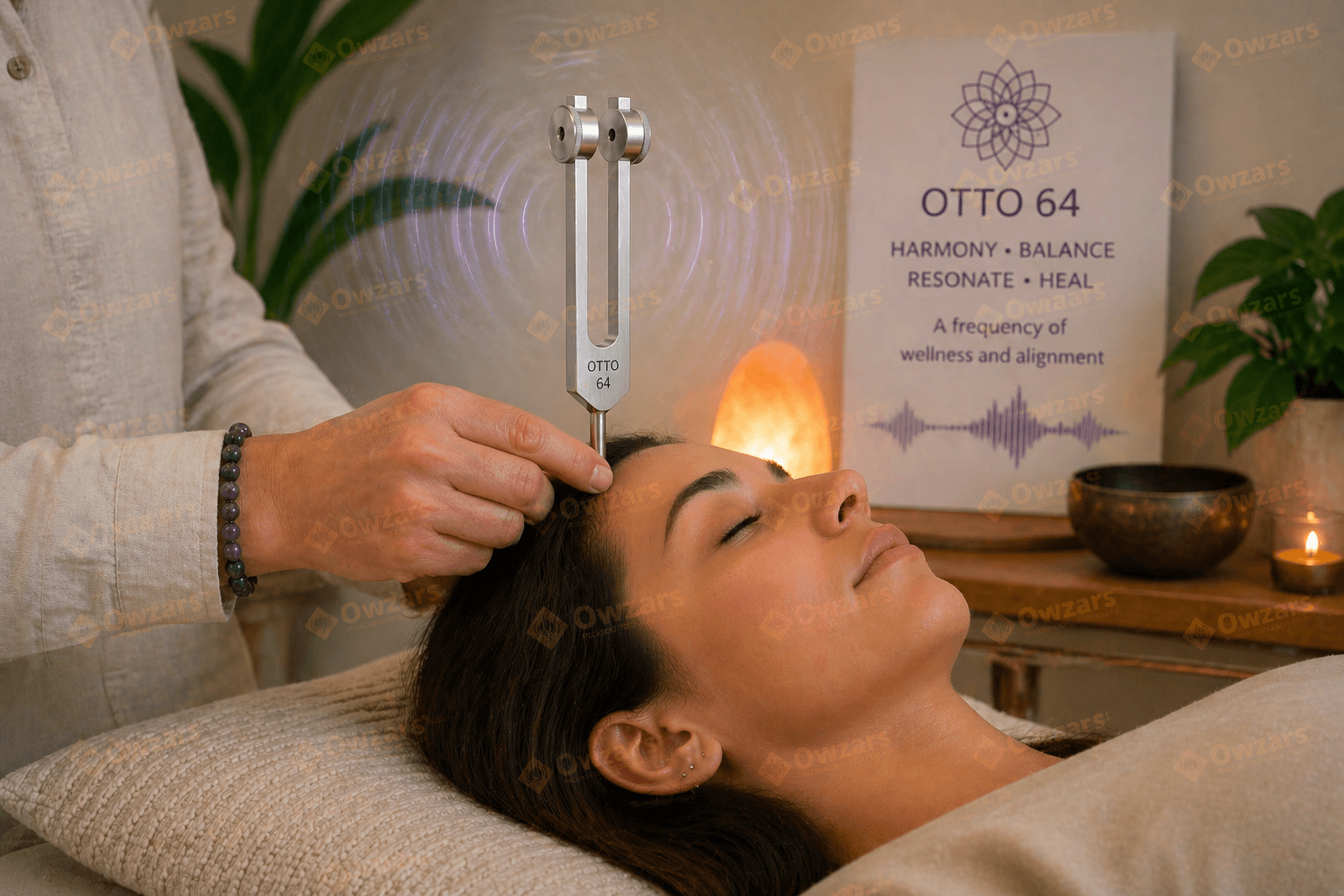
64 Hz Tuning Fork
Discover how 64 Hz tuning forks are used in sound therapy and wellness practices for grounding and relaxation support.

The Complete Beginner's Guide to Sound Healing with Tuning Forks
Discover how tuning fork healing uses specific frequencies and vibrations to promote relaxation, reduce stress, and support your body's natural healing processes through sound therapy.