64 Hz Tuning Fork
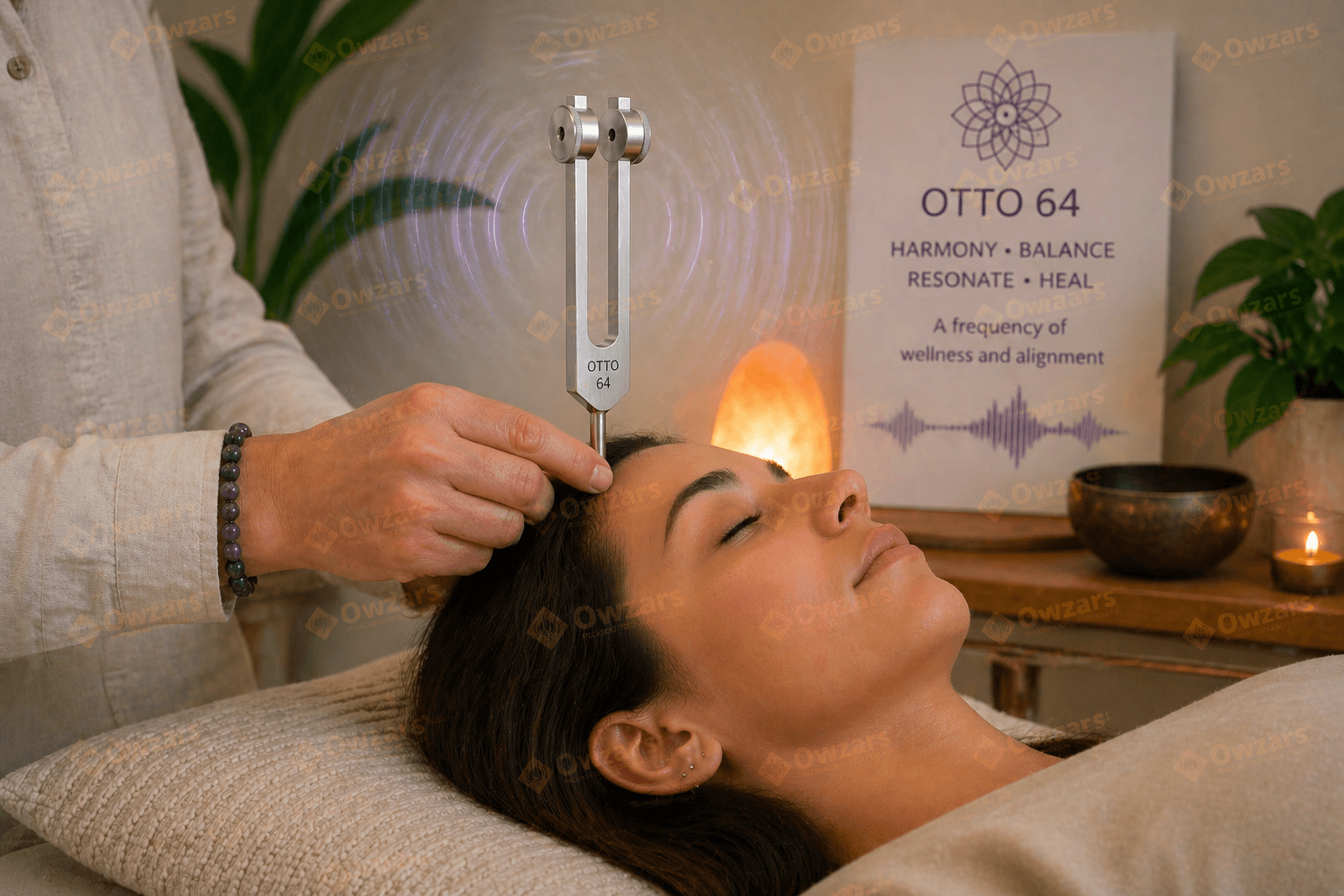
The 64 Hz tuning fork has become increasingly popular among sound therapy practitioners and wellness enthusiasts seeking grounding and centering experiences. This specific frequency is commonly used in tuning fork healing practices for its distinctive deep, resonant vibrations that many users find supportive for relaxation and meditation.
The 64 Hz tuning fork, also known as the Otto fork, is traditionally used in sound therapy for grounding and relaxation practices. When struck or activated, it produces low-frequency vibrations that practitioners often apply to the body or use in meditative sound sessions.
Understanding 64 Hz in Tuning Fork Healing
The 64 Hz frequency sits in the lower range of audible sound, creating vibrations that many practitioners describe as deeply grounding. This frequency is part of what's known as the "Otto" tuning fork series, named after Dr. John Beaulieu who popularized weighted tuning forks in sound therapy applications.
Practitioners report that 64 Hz is commonly used in complementary wellness practices to support feelings of stability and centeredness. The frequency's lower pitch creates longer-lasting vibrations compared to higher frequencies, making it particularly valued for extended meditation sessions.
Traditional sound therapy approaches often incorporate 64 Hz for what practitioners call "nervous system support," though these applications are based on experiential reports rather than clinical validation.
How 64 Hz Weighted Tuning Forks Work
Weighted tuning forks like those tuned to 64 Hz feature small weights attached to the prongs, which extend the duration of vibration and create a more tactile experience. When activated, these forks maintain their vibration for significantly longer than unweighted versions.
The aluminum alloy construction ensures consistent pitch accuracy and sustained resonance. Many practitioners prefer the weighted design because the vibrations can be felt as well as heard, creating what users often describe as a more immersive sound therapy experience.
Sound therapy practitioners typically activate the fork by striking it against an activator or rubber mallet, then either hold it in the air for auditory benefits or place it on specific body areas for the vibrational sensation.
Traditional Applications in Sound Therapy
In traditional sound therapy practices, 64 Hz tuning forks are commonly used for grounding exercises and relaxation sessions. Many practitioners incorporate this frequency into meditation practices, reporting that clients find the deep vibrations supportive for achieving calm, centered states.
Some sound therapy approaches use 64 Hz in combination with breathing exercises or mindfulness practices. The sustained vibration provides what practitioners describe as an "anchor" for attention during meditation.
The frequency is also traditionally used in what's called "sonic acupuncture," where practitioners place the vibrating fork on or near specific body points, though this practice is purely complementary and not a substitute for medical acupuncture.
Tuning Fork Healing Techniques with 64 Hz
Several established techniques incorporate 64 Hz tuning forks in wellness practices. The "listening" technique involves holding the activated fork near the ears, allowing the deep vibrations to create an immersive sound environment for meditation.
Body placement techniques involve positioning the vibrating fork on areas like the sternum, spine, or joints. Users report that these applications create a sensation many find relaxing, though individual experiences vary considerably.
Practitioners often combine 64 Hz with other frequencies in what's called "interval therapy," creating harmonic relationships that some find particularly supportive for relaxation practices.
Choosing Quality 64 Hz Tuning Forks
When selecting a 64 Hz tuning fork for sound therapy use, construction quality significantly impacts the vibrational experience. Aluminum alloy forks offer the best combination of lightweight design and sustained resonance.
Weighted models provide longer vibration duration and more tactile sensation compared to unweighted versions. The weight distribution affects both the sustain time and the intensity of vibrations felt during application.
Professional-grade forks maintain consistent pitch accuracy over time, ensuring reliable frequency output for regular practice. The Otto 64Hz Weighted Tuning Fork ($34.99) exemplifies these quality characteristics with its aluminum alloy construction and precise tuning.
Safety and Best Practices
Sound therapy with 64 Hz tuning forks is generally considered safe for most individuals when used appropriately. The vibrations are gentle and non-invasive, making them suitable for regular wellness practices.
Users should start with shorter sessions to gauge their individual response to the vibrations. Some people are more sensitive to sound frequencies than others, so gradual introduction is recommended.
Owzars tuning forks are intended for relaxation and personal wellness use and are not medical devices. They should never be used as substitutes for professional medical care or treatment.
Proper care maintains the fork's tonal consistency over time. Storing forks in protective cases and avoiding hard strikes against metal surfaces helps preserve their vibrational performance.
Whether you're beginning your exploration of sound therapy or expanding an existing practice, 64 Hz tuning forks offer a foundation for grounding and relaxation work that many practitioners find invaluable.
Sound therapy practices are intended for relaxation and personal wellness. They are not a substitute for professional medical advice, diagnosis, or treatment.
Frequently Asked Questions
Biah
Content Writer
Related Articles
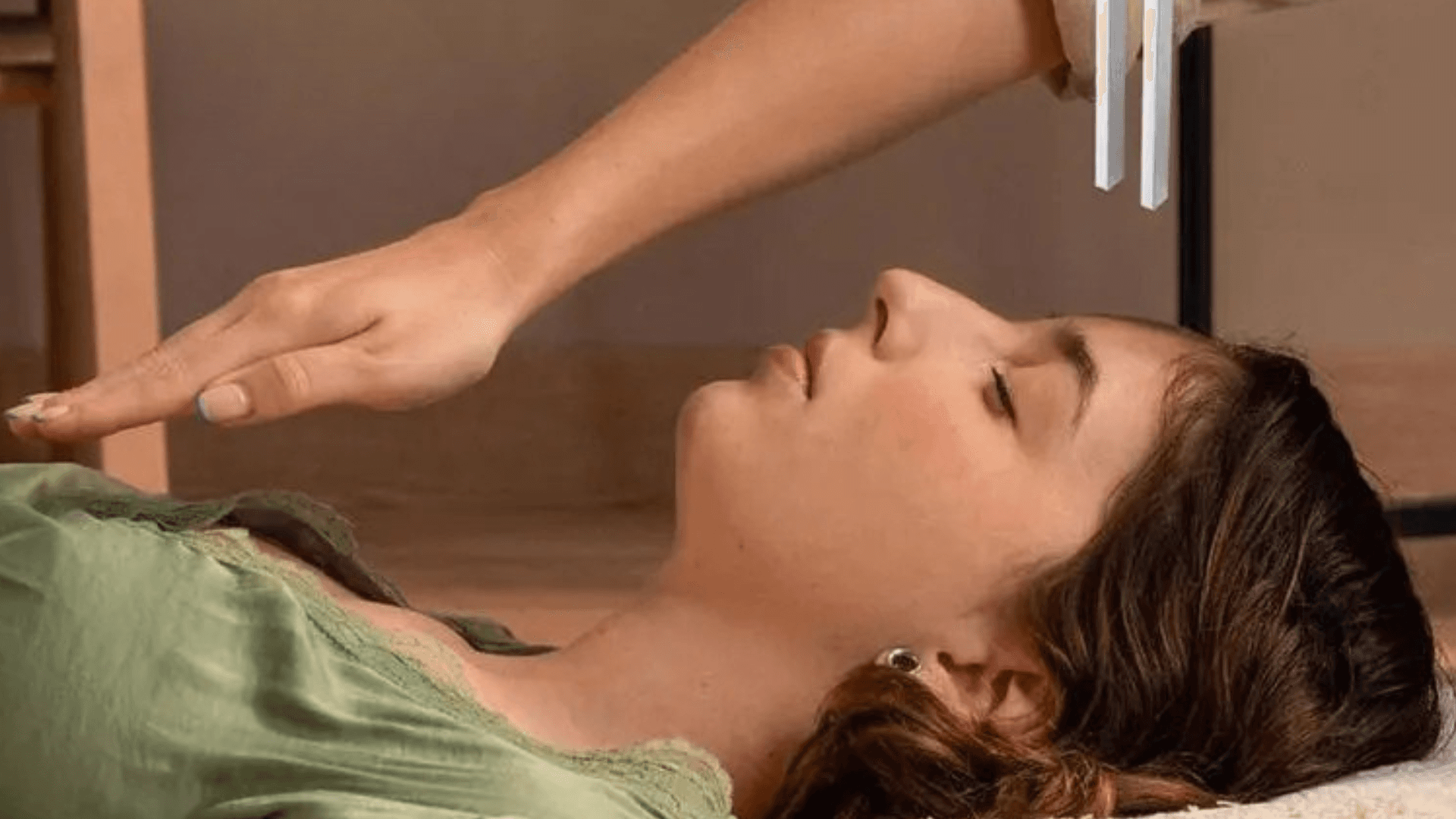
Healing Tuning Fork Set Guide: How 128Hz, 256Hz, and 512Hz Support Sound Healing
Discover how 128Hz, 256Hz, and 512Hz tuning fork frequencies work together in sound therapy practices for grounding, balance, and mental clarity work.

The Complete Beginner's Guide to Sound Healing with Tuning Forks
Discover how tuning fork healing uses specific frequencies and vibrations to promote relaxation, reduce stress, and support your body's natural healing processes through sound therapy.